0 Items
No products in the cart.

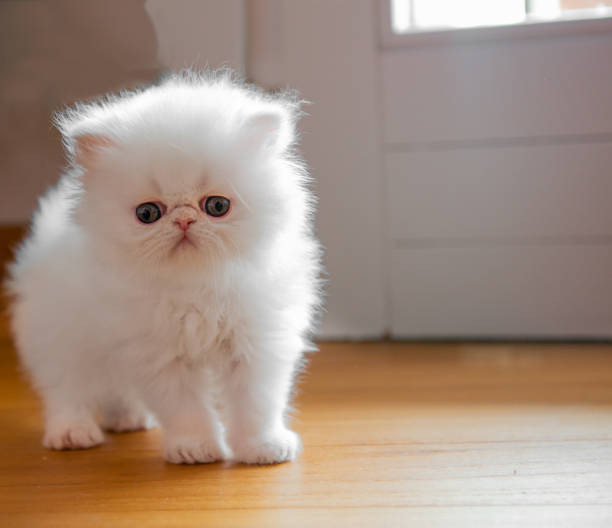
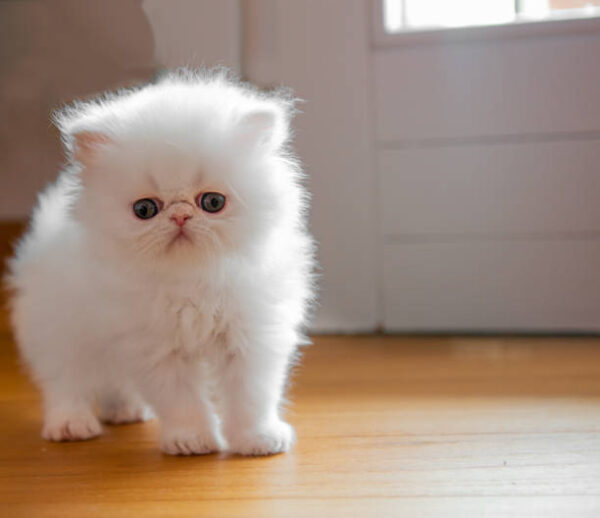
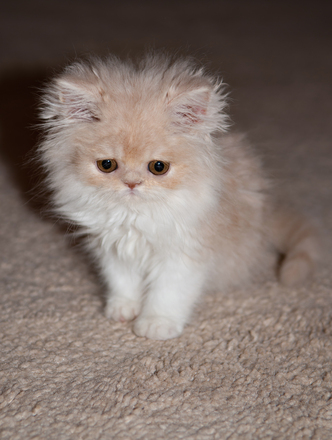
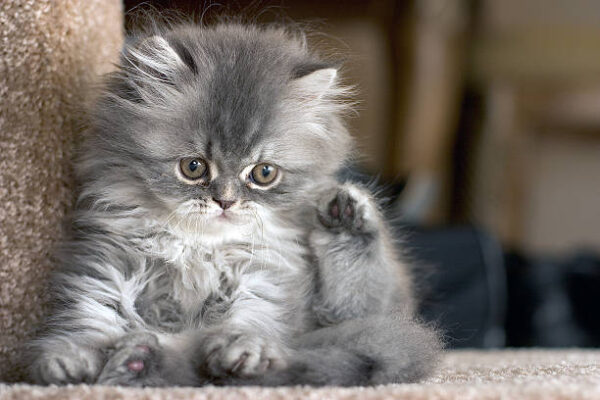

Weight : 7 to 12 pounds
Height : Male Persian cats: 11 to 15 inches
Female Persian cats: 10 to 14 inches
Color(s) :Black, White, Blue, Grey, Golden, Orange, Russian Blue, Brown, Red, Cream and Silver.
Coat :Triple coat heavy bone Persian Cat
Breeding : As the name goes, Persian cats are from Persia. Even when the ancestors of Persian cats are being imported to Italy from Iran, the very first time, these cuties came into existence into Vogue during the Victorian era. Not much information is available in their history which makes it still a big question. They were generally available in two major types which are traditional and show.
Diet :They are always recommended to provide them with dry cat food. They mostly like and require protein like fish, chicken, turkey along with different other seafood.
Persian cats are known for their distinctive appearance and gentle temperament. Here’s a summary of the key information about them:
Coat Colors: Persian cats come in various coat colors, including Ash, Black, Cream, White, Ginger, Golden-White, Tabbies, Calicos, Tortieshell, Grey, and Bicolours. Their soft, long, and flowing coats are a major attraction for cat owners.
Types: There are different types of Persian kittens, including Doll face traditional longhair and punch face longhair. They also have various color and pattern types, such as Solid, Tabbies, Van Calico, Dark Calico, Dilute Calico, Bi colors, Smoked Silver, and Tortoiseshell.
Size: Female Persians typically stand between 10-14 inches tall, while males can range from 11-15 inches in height.
Weight: A medium-sized Persian cat usually weighs between 5-7 kilograms. However, they can gain weight if not fed properly or if they have health issues.
Distinct Feature: Persian cats are known for their affectionate nature, but they can become aloof if not given enough attention. They are also playful and enjoy interactive activities with their owners. Additionally, they are smart and can be trained to perform tricks.
Vaccinations: Due to their indoor lifestyle, Persian cats should be vaccinated against common feline diseases like Rabies, Feline Viral Rhinotracheitis, Calici virus, and Panleukopenia. Regular deworming and situational flea control are also recommended.
Activity: Persian cats are generally calm and enjoy indoor activities. They can be playful and may switch between relaxation and playfulness unpredictably. They love staying indoors, climbing, and sitting on their owner’s lap.
Temperament: Persian cats are known for their sweet, gentle, and friendly nature. They are affectionate and enjoy spending time with their owners.
Food: It is recommended to feed Persian cats dry cat food like Meo Persian Anti Hairball or Royal Canin Persian Kitten and wet kitty food like Whiskas Chicken Kitten Gravy & Boiled Chicken Liver (no salt, no pepper). They need protein sources like chicken and fish, but many Persians are lactose intolerant.
Fun Fact: Doll-face Persian Cats initially had a more pronounced muzzle, but a genetic mutation in the 1950s resulted in the scrunched features seen in punch-face Persians today.
Toys: Persian cats enjoy quiet and gentle play. Toys like balls with bells, wind-up toys, feathered toys, cat trees for scratching, scratchboards, and catnip toys can provide them with entertainment.
Overall, Persian cats are beloved for their stunning appearance and affectionate personalities, making them great companions for those who appreciate their unique qualities.








Reviews
There are no reviews yet.